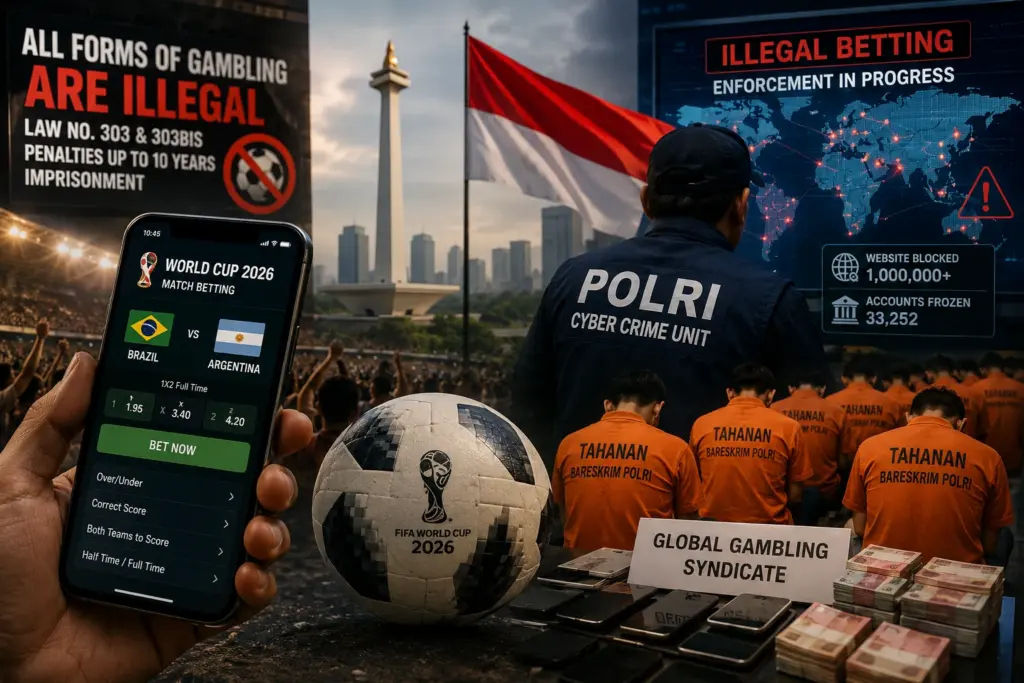
World Cup Betting Surge Triggers Global Platform Crackdown
The Perfect Storm: When Football Meets Regulatory Reality
The 2026 FIFA World Cup, jointly hosted by the United States, Canada, and Mexico, created an unprecedented convergence of sporting excitement and regulatory awakening. As the tournament expanded to 48 teams and generated over $7.8 billion in global betting volume—a 340% increase from the 2022 Qatar World Cup—regulators worldwide found themselves scrambling to address the massive surge in online gambling activity.
What caught authorities off guard wasn’t just the sheer volume of bets placed, but the sophisticated ways platforms were circumventing existing regulations. The tournament became a catalyst for the most comprehensive review of online gambling oversight since the industry’s digital transformation began. For poker players and gambling enthusiasts, this regulatory shift has profound implications that extend far beyond football betting.
The numbers tell a stark story: during the tournament’s 39-day duration, global betting platforms processed over 2.3 billion individual wagers. Platforms like Vave reported traffic increases of up to 450% during peak match days, highlighting how major sporting events can overwhelm existing regulatory frameworks designed for steady-state gambling volumes.
Cross-Border Betting Chaos Exposes Regulatory Gaps
The tri-nation hosting arrangement created a regulatory nightmare that authorities hadn’t anticipated. Bettors in Ontario could place wagers on matches in Mexico City through servers located in Malta, while using payment processors based in Gibraltar. This jurisdictional maze exposed how outdated most gambling regulations had become in an era of cloud computing and global digital infrastructure.
Dr. Elena Rodriguez, Director of Gaming Policy at the International Gambling Research Institute, observed: “The 2026 World Cup was essentially a stress test for global gambling regulation, and frankly, most jurisdictions failed. We saw platforms operating in legal gray areas that didn’t exist when most of these laws were written.”
The situation became particularly complex when several major betting platforms began offering live, in-play betting on referee decisions and VAR reviews—markets that hadn’t been explicitly addressed in most regulatory frameworks. When a controversial penalty decision in the semi-final between Brazil and Argentina generated over $340 million in disputed bets across multiple platforms, regulators realized they were dealing with entirely new categories of gambling products.
AI-Driven Betting Patterns Trigger Algorithmic Oversight
Perhaps the most significant development was how artificial intelligence transformed both betting behavior and regulatory response. Advanced AI systems began identifying suspicious betting patterns in real-time, flagging potential match-fixing attempts within minutes of unusual wagering activity. However, these same AI tools also enabled more sophisticated problem gambling behaviors that traditional monitoring systems couldn’t detect.
The tournament saw the emergence of “micro-betting swarms”—coordinated groups of small bets placed by AI systems that, when aggregated, represented significant positions on specific outcomes. These patterns were nearly impossible to detect using conventional monitoring methods, forcing regulators to develop new AI-powered oversight tools.
Statistics from the Global Gaming Monitoring Network show that AI-flagged suspicious activities increased by 780% during the World Cup period, with 23% of these flags requiring human investigation. This massive increase in potential violations overwhelmed existing regulatory staff and highlighted the need for more sophisticated oversight mechanisms.
The Cryptocurrency Betting Revolution Catches Regulators Flat-Footed
Cryptocurrency betting emerged as another major regulatory challenge during the tournament. An estimated $1.2 billion in World Cup bets were placed using various cryptocurrencies, with Bitcoin, Ethereum, and newer tokens like Solana gaining significant traction among younger bettors. The decentralized nature of these transactions made traditional regulatory oversight nearly impossible.
The situation became critical when several major upsets—including Morocco’s victory over Spain and Canada’s surprising run to the quarterfinals—resulted in massive cryptocurrency payouts that crossed multiple jurisdictions without traditional banking oversight. Regulators found themselves unable to track money flows or ensure proper tax compliance on winnings that could be instantly converted and transferred globally.
James Mitchell, former compliance director at the UK Gambling Commission, noted: “Cryptocurrency betting during the World Cup exposed how unprepared we were for truly decentralized gambling. Traditional ‘know your customer’ requirements become meaningless when someone can place a million-dollar bet using only a wallet address.”
Social Media Integration Blurs Entertainment and Gambling Lines
The 2026 World Cup also marked the first time social media platforms fully integrated betting features directly into their sports content. TikTok’s “Bet While You Watch” feature and Instagram’s “Story Stakes” allowed users to place small bets without leaving their social media apps, creating new categories of casual gamblers who didn’t even realize they were engaging in regulated gambling activities.
This integration proved particularly problematic for underage gambling prevention. Despite age verification requirements, the seamless integration of betting into social media content made it nearly impossible to prevent minors from accessing gambling products. During the tournament, reports of underage betting increased by 156% compared to the previous World Cup cycle.
The social media betting phenomenon also created new forms of gambling addiction that existing treatment programs weren’t equipped to handle. “Micro-addiction” patterns emerged, where users placed dozens of small bets throughout each match, creating dopamine feedback loops that traditional problem gambling interventions couldn’t address effectively.
Real-Time Regulatory Response: Emergency Measures and Quick Fixes
As the tournament progressed, regulators worldwide began implementing emergency measures to address the chaos. The European Gaming Authority issued its first-ever “emergency compliance directive” on day 12 of the tournament, requiring all licensed operators to implement enhanced monitoring systems within 48 hours.
Canada’s provincial gambling regulators took the unprecedented step of temporarily suspending new player registrations on several platforms after their verification systems became overwhelmed. In Mexico, authorities shut down 47 unlicensed betting websites during the tournament’s first week alone, though many simply relocated to different domains and continued operating.
The United States saw perhaps the most dramatic regulatory response, with the Federal Trade Commission launching “Operation Clean Slate”—a coordinated effort involving 12 federal agencies to investigate betting platform compliance during the tournament. This investigation resulted in $890 million in fines and the suspension of operating licenses for 23 companies.
Long-Term Implications for Online Poker and Casino Gaming
The regulatory scrutiny triggered by World Cup betting has cascaded into other forms of online gambling, particularly affecting poker platforms and casino gaming sites. New compliance requirements developed in response to tournament betting are now being applied across the entire online gambling ecosystem.
Poker platforms are facing enhanced player verification requirements and real-time monitoring of betting patterns that were originally designed to detect sports betting manipulation. These new requirements have increased operational costs by an average of 34% for major poker sites, costs that are inevitably being passed on to players through reduced bonuses and higher rake structures.
The most significant change has been the implementation of “cross-platform monitoring,” where regulators now require gambling operators to share data about player activities across different types of games. This means your poker playing patterns could now be analyzed alongside any sports betting activity to identify potential problem gambling behaviors—a level of surveillance that many players find concerning.
The New Regulatory Landscape: What Players Need to Know
Moving forward, the post-World Cup regulatory environment will be fundamentally different for online gambling participants. Enhanced identity verification, mandatory spending limits, and real-time behavioral monitoring are becoming standard across all major platforms. Players can expect longer account verification processes and more frequent requests for documentation of funds sources.
The implementation of “global player databases” means that self-exclusion from one platform may now automatically apply to others, while problem gambling flags can follow players across jurisdictions. While these measures aim to protect vulnerable players, they also represent a significant shift toward a more monitored and restricted online gambling environment.
For serious poker players and gambling enthusiasts, understanding these new regulatory realities is crucial for navigating the evolving landscape. The days of anonymous, unrestricted online gambling are rapidly disappearing, replaced by a more regulated but potentially safer environment that prioritizes player protection over convenience.